The Ugly Truth About Being a Lone Soldier and How to Overcome It
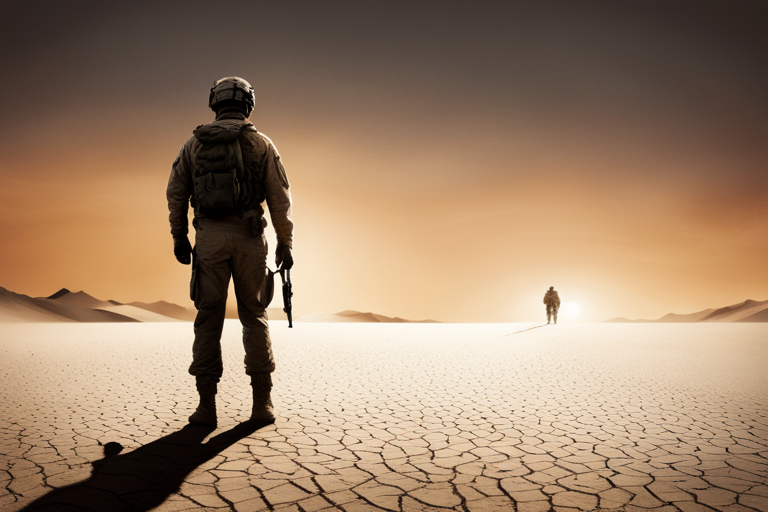
Are you aware that there exists a soldier who walks alone in the desert with nothing but his spirit to keep him company? This is the harsh reality of being a lone soldier. Despite the physical hardships, mental battles, and emotional tolls, the spirit of a lone soldier never dies.
If you’re someone who’s been through a similar experience, then you know how lonely and challenging it can be. You fight your battles without external help, without anyone to rely on, and without any support from friends or family. It's tough to weather this storm alone.
But hold on, you’re not alone. We’ll take a closer look at the difficult, complex, and not so glamorous lifestyle of a lone soldier. In this blog, we’ll discuss the Ugly Truth About Being a Lone Soldier, and more importantly, guide you on how to overcome the hardships of this life. We’ll recount our experiences and the lessons we’ve learned.
Whether you’re a current or former lone soldier, or someone who’s interested in learning more about it, this blog is for you. The journey we’ll embark on isn’t about the physical aspects of this life, but about the mental and emotional warfare you’ll encounter.
Have you ever felt like you were fighting alone? That no one really understood what you were going through? It's a devastating feeling, especially for soldiers who have pledged their lives to serve and protect their country. Being a lone soldier is a harsh reality that few people truly understand. The desert can be a lonely place, and with no fellow soldiers by your side, it can feel like you're facing insurmountable challenges every day.
But take heart! There are ways to overcome the feeling of isolation and to find solace in your unique fighting spirit. In this blog, we'll discuss the ugly truth about being a lone soldier and share some tips on how to cope with the challenges that come with it. You'll hear stories from soldiers who have walked the same path as you and learn from their experiences. Our goal is not just to inform you, but to inspire you to keep pushing forward and to never give up on yourself or your mission.
So, whether you're a lone soldier in the desert or facing a personal battle, this blog is for you. We'll explore what it means to fight alone and how to find the strength within yourself to overcome adversity. Join us on this journey of self-discovery and growth.
Short Summary

- Being a lone soldier is a difficult and lonely experience that few people truly understand.
- Coping with isolation is an important challenge that lone soldiers face and there are strategies to deal with it.
- Overcoming loneliness is possible, and cultivating resilience is an important part of achieving this.
- To move forward, it is important to find purpose and create a new normal that works for you.
1. The Lone Soldier Experience
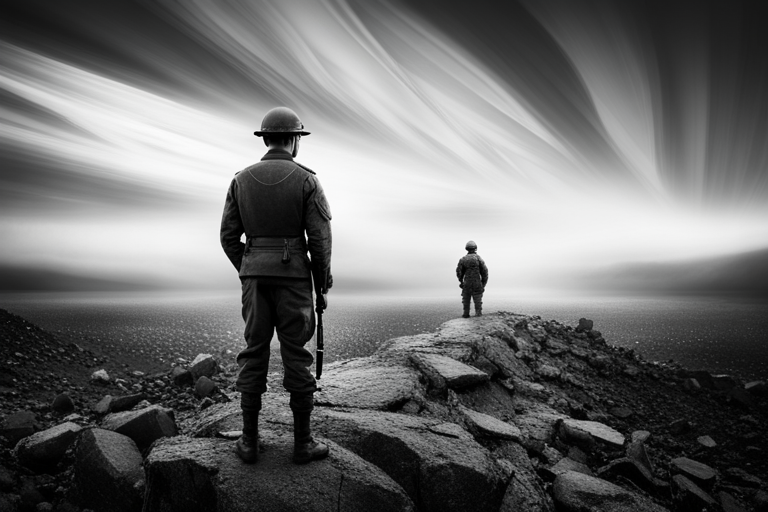
Being a lone soldier is not an easy task. It requires immense courage, determination, and resilience. Imagine being in a lonely place, without any support, companionship, or guidance, constantly facing challenges, and carrying out duties that demand absolute focus and attention. This creates an intense lonely situation, which even a strong-willed person can struggle with.
Lonely situation can make you feel isolated, hopeless, and exhausted and can even lead to depression and anxiety. However, the loneliness that lone soldiers face is a personal choice, one that they willingly accept to serve their country and fulfill their duties.
In the words of a former lone soldier, "It’s one of the toughest things you can do. A lot of soldiers would rather go to war than spend a second time on their own. It’s a lonely childhood."
Despite the many difficulties of being a lone soldier, there are ways to overcome this lonely place and find strength in your personal choice. Here are some ways to do it:
1. Make connections with other soldiers Being a lone soldier doesn't mean you're completely isolated. You can still make connections with other soldiers and build friendships that can provide support and comfort.
2. Stay connected with family and friends Use technology to stay connected with your loved ones back home. Video calls, text messages, and social media can help you stay in touch and feel a sense of connection.
3. Practice self-care Take care of your physical and mental health by exercising, eating well, and getting enough sleep. Engage in hobbies and activities that you enjoy, and take time to relax and recharge.
4. Focus on your mission Remember why you chose to become a lone soldier in the first place. Focus on your mission and the impact you're making, and use this as a source of motivation and strength.
key Takeaway: Being a lone soldier is a tough and lonely experience, but it is a personal choice that requires courage and resilience. By making connections with other soldiers, staying connected with family and friends, practicing self-care, and focusing on your mission, you can overcome the challenges and find strength in your choice to serve.
2. Coping with Isolation
Isolation can be one of the most challenging aspects of being a lone soldier. As you navigate the harsh terrain by yourself, it's easy to feel disconnected and alone. However, there are ways to cope with this feeling of isolation and come out on the other side stronger than before.
Find ways to stay connected
One of the most important things you can do to combat isolation is to find ways to stay connected with loved ones. This could include writing letters, making phone calls, or even using video chat services when available. By reaching out and staying in touch with important people in your life, you can help combat feelings of loneliness and isolation.
Focus on self-care
When you're alone in a challenging environment, it can be easy to neglect your own physical and emotional needs. However, this is the time when it's most important to focus on self-care. Make sure you're eating enough to fuel your body, even if you don't always feel hungry. Take the time to care for any injuries or ailments you may be experiencing. And most importantly, practice self-care for your emotional well-being by taking time for yourself and finding activities that bring you joy, such as reading a book or listening to music.
Shift your focus
Focusing on the challenge ahead can be overwhelming, especially if you're alone. Sometimes, it helps to shift your focus and find comfort in the things around you. Take in the beauty of your surroundings, whether it's a stunning sunset or the sounds of birds in the distance. When your mind is occupied with positive thoughts and emotions, it's easier to combat any negative feelings of isolation and fear.
key Takeaway: Isolation is one of the most challenging aspects of being a lone soldier, but there are many ways to combat it. By staying connected with loved ones, focusing on self-care, and shifting your focus to positive things around you, you can overcome feelings of loneliness and come out stronger on the other side.
3. Overcoming Loneliness
overcoming loneliness
As a lone soldier, it’s not uncommon to feel isolated and lonely, especially when dealing with the challenges and stress of deployment. However, it's important to remember that you're not alone, and that there are ways to overcome these feelings of loneliness.
Here are some strategies to help you cope with loneliness:
1. Stay connected with loved ones Despite the distance, maintaining regular communication with family and friends can help you feel connected and supported. You can schedule regular video calls or write letters to keep in touch with them.
2. Find a support group Often, you'll find other lone soldiers in similar situations who can provide a sense of camaraderie and support. Reach out to your command or military chaplain to find groups that you can join.
3. Stay busy Keeping yourself busy with activities and hobbies can help take your mind off feelings of loneliness. This could be anything from working out, to learning a new skill, to exploring your deployment location, or reading a book.
4. Seek professional help If you're struggling with feelings of loneliness and isolation, it's important to seek professional help. Your command may have resources available to connect you with a therapist or counselor who can provide support.
Remember, loneliness is a common struggle for lone soldiers, but by taking action and staying connected, you can overcome it and thrive in your deployment.
key Takeaway: Feeling lonely as a lone soldier is common, but there are ways to cope with it. Staying in touch with loved ones, finding a support group, staying busy and seeking professional help can all help you to overcome loneliness and thrive during your deployment.
4. Pressures and Expectations
As a lone soldier, you might feel an overwhelming sense of pressure and an abundance of expectations that come with your role. It is not easy to stand alone in the face of danger and carry the weight of your responsibilities on your shoulders. In this section, we will discuss some of the common pressures and expectations that lone soldiers face and strategies to overcome them.
1. Staying Strong in the Face of Adversity
As a lone soldier, you may encounter situations where you have to face adversity on your own. It can be emotionally and mentally overwhelming, especially if you have experienced trauma earlier. But staying strong in the face of adversity is crucial in your role as a lone soldier. It requires a lot of mental strength and resilience. Try to keep a positive outlook and remind yourself of why you chose to serve. Surround yourself with other positive-minded people, and practice self-care routines that help you cope with stress and anxiety.
key Takeaway: Staying strong in the face of adversity is crucial in your role as a lone soldier. It requires mental strength and resilience, and self-care is essential. 2. Competing with Yourself As a lone soldier, you may find yourself in competition with yourself. You are responsible for your own resources and have individual goals to accomplish. You must strive to be the best version of yourself without any external help. In such situations, setting reachable goals and milestones is vital. It helps you to track your progress and motivates you to continue even when you feel burnt out. Challenge yourself with new tasks that will enable you to develop new skills and expertise, and contact buddies with similar challenges for advice and guidance. (Key takeaway): Setting reachable goals and milestones is vital for competing with yourself, enabling you to track your progress and motivate yourself. 3. Living Up to Expectations As a lone soldier, many people expect you to be perfect. It can be stressful when you feel like you’re not living up to expectations, and such pressure can weigh you down. However, remember that it is okay to make mistakes, and nobody is perfect. Accepting that you are not invincible is a step in the right direction. To avoid making mistakes, be proactive and document all procedures and actions. Avoid rushing into decisions without the proper investigatory diligence. Based on your research, put together a comprehensive action plan. (Key takeaway): It is okay to make mistakes, and nobody is perfect. To avoid making mistakes, be proactive, document all procedures and actions, and avoid rushing into
5. Self-Discovery and Empowerment
self-discovery and empowerment
Being a lone soldier can be an isolating and challenging experience, but it can also be an opportunity for self-discovery and empowerment. When you are responsible for your own wellbeing and safety, it can force you to confront your fears, weaknesses, and strengths in a way that a group setting may not. This can lead to a heightened sense of self-awareness and confidence that can transform you both personally and professionally.
Finding your Purpose
One way to engage in self-discovery is to find your purpose. Many lone soldiers struggle with feelings of loneliness and lack of direction, but identifying your purpose can give your life more meaning and motivation. Take some time to reflect on what drives you, what you are passionate about, and what you want to achieve. This can be a good starting point to steer your focus towards a goal or career path that aligns with your values and interests.
Discovering your Strengths
Another way to empower yourself as a lone soldier is to identify your strengths. When you are alone, you are forced to make decisions on your own, which can be a scary prospect. However, it can also be liberating to discover your strengths and use them to make informed decisions. Take some time to reflect on your past achievements, positive feedback from others, and any unique skills or talents that you possess. These can help you to become more confident in your abilities and make more informed decisions.
Quote: "Knowing yourself is the beginning of all wisdom." Aristotle
Taking Responsibility
Taking responsibility for your own wellbeing is a crucial part of being a lone soldier. While it can be tempting to rely on others for support and guidance, it is important to take ownership of your actions and choices. This can lead to a sense of control over your situation and enhance your self-esteem. Practice building self-reliance by making decisions on your own, seeking out resources when needed, and taking care of yourself physically and mentally.
Tips for taking responsibility:
Make a list of priorities and stick to them.
Trust your instincts.
Learn from failures and mistakes.
Take care of your physical and mental health.
Seek out resources when needed.
key Takeaway: By embracing self-discovery and empowerment, lone soldiers can turn their isolation into a space of growth that leads to personal and professional transformation. Through finding your purpose, discovering your strengths, and taking responsibility, you can improve your confidence, decision
6. Cultivating Resilience
Cultivating resilience is critical for anyone, but especially for lone soldiers. When we face adversity, we need to have the ability to bounce back from the challenges we encounter. Here are some practical strategies to help you cultivate resilience and overcome the unique challenges that come with being a lone soldier.
Recognize the challenges
The first step in cultivating resilience is to recognize the challenges you face as a lone soldier. Being separated from your comrades and fellow soldiers for long periods of time can be emotionally and mentally challenging. It is important to acknowledge these difficulties and be honest with yourself about how they affect you.
(List) Some challenges you may face as a lone soldier include:
Isolation and loneliness
Lack of support and resources
Increased responsibility and workload
Decision fatigue
Exposure to danger and risk
Build a support system
While you may be far away from your fellow soldiers, it's essential to build a support system for yourself. This could be your family and friends back home, a therapist or counselor, or other lone soldiers that you can connect with online or through social media. Having this support system can make all the difference in maintaining your mental and emotional well-being.
(Quote) "The strongest people are not those who show strength in front of us but those who win battles we know nothing about." Jonathan Harnisch
Practice self-care
Self-care is crucial for cultivating resilience. As a lone soldier, taking care of yourself physically, mentally, and emotionally is essential to your well-being. This could include activities such as exercise, meditation, reading, or spending time outdoors. It's also important to maintain healthy habits like eating well, getting enough sleep, and avoiding substance abuse.
Focus on your mission and purpose
Remind yourself of the reasons why you chose to be a lone soldier. Focus on the mission and purpose that you are serving. This can help you stay motivated and inspired, even in challenging times.
(List) Consider the following questions:
Why did I choose to become a lone soldier?
What is my ultimate goal and purpose in serving as a lone soldier?
How can I make a positive impact in this role?
Seek out opportunities for growth and learning
Being a lone soldier can be an opportunity for personal growth and learning. Seek out opportunities to develop new skills, take on new challenges, and learn about different cultures and perspectives. This can help
7. Moving Forward

When faced with the challenges of being a lone soldier, it is natural to feel overwhelmed and uncertain about your prospects for the future. However, it is important to remember that your journey as a lone soldier is not over yet. There are several steps you can take to reignite your fighting spirit and continue moving forward.
1. Set Achievable Goals
To overcome the challenges of being a lone soldier, it's important to start by setting achievable goals. These goals should be specific, measurable, and attainable within a set period. Setting achievable goals will help you focus on what you can do in the present, which will build your confidence and sense of accomplishment.
2. Create a Support System
Even though you are a lone soldier, that does not mean you are alone in this journey. Reach out to friends, family, or acquaintances who can provide you with emotional support and practical help.
3. Learn New Skills
In order to advance in life, it's important to learn new skills and acquire knowledge in various areas. As a lone soldier, this can be particularly challenging. However, with the abundance of online courses and resources, it's possible to learn new things from virtually anywhere.
4. Take Care of Your Health
Being a lone soldier can take a toll on your physical and mental health. That's why it's important to take care of yourself by eating healthy, sleeping well, and engaging in physical exercise. It's also important to seek professional help if you feel overwhelmed.
5. Embrace Change
Being a lone soldier requires flexibility and the readiness to adapt in different environments. Embracing change means being open to new experiences, perspectives, and opportunities that come your way.
6. Keep a Positive Attitude
Having a positive attitude can help you overcome challenges and persevere through tough times. It's important to cultivate a positive mindset by focusing on the good things in your life, expressing gratitude, and staying hopeful about your future.
key Takeaway: A lone soldier can overcome the challenges of being alone by setting achievable goals, creating a support system, learning new skills, taking care of their health, being open to change, and cultivating a positive attitude.
Conclusion
In conclusion, being a lone soldier can be a challenging and daunting experience. However, there are ways to overcome it. Firstly, it is important to identify the weakness that comes with being alone in the field. Once that is done, you can then work on developing a coping strategy. This could include staying focused and disciplined and building a support system comprising of peers, family, and friends. Additionally, you could reframe your mindset and see being alone as an opportunity to develop resilience and mental toughness. By focusing on the positives and adopting a growth mindset, you can overcome the challenges of being a lone soldier. So, what makes him weak? It could be a myriad of factors, from lack of support to inadequate preparation or difficult terrain. Whatever the
FAQ
What is the Lone Soldier experience?
The Lone Soldier experience is about letting go of the limitations you have placed on yourself. It is about facing your fears and discovering your true potential. It is about challenging yourself to do things you never thought possible.
How do I overcome loneliness?
There are a few ways to overcome loneliness. You can find a friend or join a club or group. You can also read books or watch movies that interest you. You can also take up a hobby that you can be passionate about.
What are the pressures and expectations of being a lone soldier?
There are a lot of pressures and expectations that come with being a lone soldier. From feeling alone and vulnerable to feeling like you have to perform at a higher level, being a lone soldier can be tough. However, with the right attitude and strategy, you can overcome these pressures and expectations.
Have you ever felt like you were absolutely alone, with nobody else in sight? As a lone soldier, you know the feeling all too well. The feeling of standing on the battlefield, fighting for your country, but with no companionship or support team to back you up. It can be tough and, at times, incredibly overwhelming. But, guess what? You are not alone. Many lone soldiers feel the same way. In this blog, we will discuss the ugly truth about being a lone soldier, the sacrifices they make, and the emotional toll it takes on them. We will talk about ways to overcome that feeling of loneliness and ways to connect with others. You'll also find inspiring stories of lone soldiers who have overcome such challenges and have achieved success. Come join us on this journey and find ways to awaken your unique fighting spirit, develop your skills, and conquer the battlefield.

